
Pros of tankless water heaters include unlimited hot water, energy efficiency, longer lifespan, and space-saving. Their cons include high upfront costs, complex installation, flow rate limitations, and frequent maintenance.
If you are included in the 52% of Americans who prefer very warm showers, running out of hot water in the middle of a shower can be frustrating. Having a tankless water heater might be one way to avoid this. They heat water only when needed, rather than storing it like in traditional units.
This is one of the many reasons they are growing in popularity, along with their energy efficiency and space savings. Understanding the pros and cons of tankless water heaters can help you decide if they are right for your home.
How Tankless Water Heaters Work
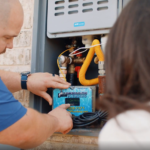
On-demand hot water is possible with a tankless water heater because the cold water flowing through the unit is heated by a gas burner or electric element and is delivered instantly. This is the main difference between tankless vs traditional heaters, as the latter constantly heats and reheats stored water, causing standby heat loss.
The most common types of tankless water heaters are:
- Gas-Fired: powered by natural gas or liquid propane
- Electric: compact units that do not require venting
- Whole-House: designed to supply continuous hot water to multiple fixtures
- Point-of-Use: small, highly compact units installed near a single fixture or appliance
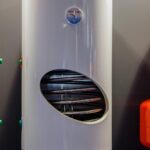
The key components of a tankless water heater are the heat exchanger, flow sensor, and control system.
Pros of Tankless Water Heaters
Understanding the pros and cons of tankless water heaters is essential as they can impact their long-term value and daily performance. Here are some benefits of tankless heaters to consider:
Unlimited Hot Water On Demand
You will have a continuous supply of hot water if you invest in an appropriately sized tankless water heater that meets your home’s requirements. This makes them ideal for households with frequent back-to-back showers or high hot-water usage.
Higher Energy Efficiency and Lower Operating Costs
According to the U.S. Department of Energy, tankless water heaters are up to 34% more energy-efficient than tank models, particularly for homes using 41 gallons or less of hot water daily. The energy efficiency of tankless heaters is a key benefit in Dallas, TX, as they can offset high summer cooling bills.
Longer Lifespan and Lower Leak Risk
The typical lifespan of a tankless water heater is 20 years or more. They also have fewer corrosion-prone parts, which, when replaced, can further extend a unit’s life. Additionally, a tankless water heater does not require a large storage tank, reducing the risk of leaks or flooding.
Space Savings and Aesthetic Benefits
Tankless water heaters feature a compact, wall-mounted design that frees up floor space. They have a sleek, modern look that can enhance curb appeal while providing more installation location options.
Environmental Benefits
Multiple tankless water heater models are Energy Star-rated and utilize condensing technology for optimal efficiency. Lower energy consumption can reduce your carbon footprint. Additionally, a unit’s longer lifespan and replaceable parts lessen the need for full unit replacements.
Cons of Tankless Water Heaters
Despite their energy efficiency, there are some drawbacks to tankless water heaters. Understanding them can help you avoid inadequate hot water, unexpected installation fees, and higher maintenance bills:
Higher Upfront Cost
Tankless heater installation can range from $3,000 to $6,500, roughly three times the price of a tank water heater. This includes the higher unit cost of tankless water heaters and potentially expensive installation upgrades.
More Complex Installation and Potential Home Modifications
Installation can become expensive and complex, requiring upgraded gas lines, increased electrical capacity, or new venting systems. In many cases, it often involves a system overhaul, including the re-routing of plumbing.
Limited Simultaneous Hot Water Output
A single tankless water heater may struggle if multiple fixtures or appliances run at once. Proper sizing is critical and must take into consideration:
- Maximum flow rate
- Temperature rise
- BTU rating
Large homes may need multiple units or point-of-use heaters to meet demand.
Delayed Hot Water Delivery and Temperature Fluctuations
Tankless water heaters do not pre-heat water, so there is often a short delay before hot water reaches the fixture. You may experience a brief interval of cold water. There is also the possibility of temperature fluctuations.
Maintenance Requirements and Power Dependency
Tankless water heaters, especially in Dallas, TX, will require frequent maintenance to combat the state’s hard water, which can cause mineral buildup on the internal heating coils. Another drawback is their dependence on power, which means no hot water during a power outage. Pilot lights on some gas models can also waste energy, offsetting some efficiency gains.
Who Should Choose a Tankless Water Heater
Small to medium households with moderate hot-water usage are ideal candidates for tankless water heaters. They are also great for homeowners who prioritize:
- Energy efficiency
- Long-term savings
- Space savings
Those planning to stay in their home long enough can recoup the higher upfront cost via energy savings.
Frequently Asked Questions
Can You Run 2 Showers With a Tankless Water Heater?
You can run 2 showers with a tankless water heater, depending on your unit’s gallons per minute (GPM) capacity and the combined flow rate of both shower heads. Running 2 showers simultaneously would require approximately 4.0-5.0 GPM. However, even if your unit meets this requirement, your water temperature could still be affected if an appliance is running at the same time. If this is the case, or your unit is rated for less output, you may experience fluctuations in water temperature or lower water pressure.
Can Pipes Burst With a Tankless Water Heater?
Pipes or the unit’s internal heat exchanger can burst with a tankless water heater. This can occur due to:
- Freezing outdoor temperatures
- Power outages
- Improper winterization
- Back-drafting
You can prevent pipes from bursting by installing your unit indoors and ensuring it is properly maintained, utilizing freeze protection and battery backups.
Updating Your Home: Pros and Cons of Tankless Water Heaters
Understanding the pros and cons of tankless water heaters can help you decide the right option for your home. This will mainly depend on your household size, hot-water usage, budget, and long-term plans.
Metro-Flow Plumbing can help you choose an appropriately sized unit with a professional load/flow assessment. We’re dedicated to delivering top-notch plumbing services and outstanding customer care with unwavering honesty. Contact us for an on-site evaluation and quote today.