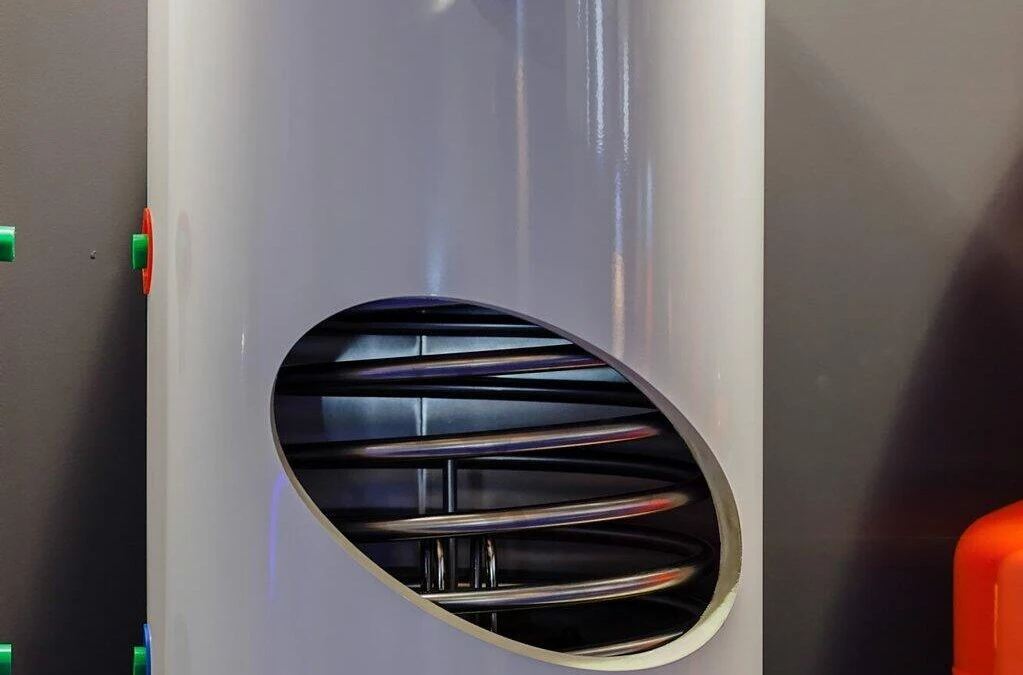
Can a water heater explode? Yes, though it’s far less common than most homeowners fear. Pressure buildup is the primary cause, typically triggered by a failing temperature-and-pressure (T&P) relief valve, sediment accumulation, or a malfunctioning thermostat.
Water damage and freezing accounted for 22.6% of all homeowners’ insurance claims in 2023, representing more losses than fire and theft combined, according to the Insurance Information Institute. Most of those losses were preventable.
A tank under stress rarely announces itself. This guide covers the real causes, the warning signs, and the practical steps that stand between your home and a dangerous failure.
Can a Water Heater Explode?
Home appliance hazards often go unnoticed until something goes wrong, and water heaters are a clear example of that. Yes, a water heater can actually explode, though the odds are fairly low for a well-maintained unit. Most homeowners go years without any serious trouble, so the risk can feel very distant.
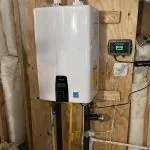
Gas-powered models carry a slightly higher overall risk. A fuel leak adds the possibility of ignition on top of the standard pressure concerns. Electric models face the same pressure and corrosion risks, so regular maintenance still matters for both types.
What Causes a Water Heater to Explode?
Basically, the biggest cause of a water heater explosion is pressure that builds faster than the tank can safely handle. The temperature and pressure relief valve should open and release that excess pressure, yet when this valve corrodes, gets blocked, or fails, the pressure has nowhere to go.
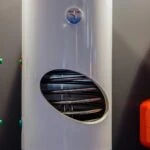
Sediment from minerals in the water tends to settle at the bottom of the tank over time. That layer of buildup traps heat, forces the tank to work harder, and puts pretty serious strain on the tank walls.
Corrosion is really a longer-term concern. Rust weakens the tank structure gradually, making a rupture more likely in older units. In gas-powered models, a fuel line leak creates an additional hazard; accumulated gas can ignite from a nearby spark or flame.
The Real Risks When Something Goes Wrong
A rupture or explosion can create several serious dangers all at once. Heater explosion risks extend well beyond the water heater itself. A burst tank can flood floors, damage walls, and ruin furniture in a matter of minutes.
Catching problems early is, of course, one of the most reliable ways to avoid a serious failure. Your water heater typically gives off warning signs before things get critical.
Signs that your water heater may need attention include:
- Popping or rumbling noises coming from inside the tank
- Rusty or discolored water coming from your hot water taps
- Visible corrosion or rust on the outside of the tank
- Water pooling around the base of the unit
- Water that is unusually hot, even at a normal thermostat setting
How to Keep Your Water Heater Safe
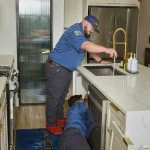
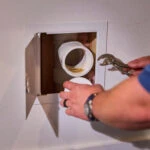
Water heater safety really starts with a few simple habits that most homeowners tend to overlook. A licensed plumber, for instance, can spot problems that are nearly impossible to catch during a casual visual check. Metro-Flow Plumbing has served Dallas since 1989 and sends a photo and bio of the technician before they arrive, so you always know exactly who is coming to your home.
Plumbing safety, in a broader sense, depends on staying ahead of wear and tear before it turns into a much bigger problem.
Preventing heater explosions basically comes down to consistent maintenance and knowing what to look for. A few routine steps can significantly reduce the chance of failure over time.
Key steps to keep your water heater running safely include:
- Test the temperature and pressure relief valve at least once a year
- Flush the tank annually to clear sediment from the bottom
- Keep the thermostat set to around 120°F to prevent overheating
- Have a licensed plumber inspect gas connections and venting on gas-powered units
- Replace the unit proactively when it reaches 10 to 12 years old
Frequently Asked Questions
How Long Do Water Heaters Typically Last Before They Become a Safety Risk?
Most traditional tank water heaters typically last between 8 and 12 years. Past that range, corrosion and sediment buildup increase the risk of failure, so annual professional inspections become fairly important once the unit hits the 8-year mark.
Does Water Heater Pressure Always Trigger the Relief Valve Before a Rupture?
No, the relief valve can pretty easily fail silently from corrosion or simple blockage over time. A valve that has never been tested might not open at all when pressure gets too high, which is really one of the most dangerous situations a homeowner can face.
Are Electric Water Heaters Safer Than Gas Models?
Electric units do, of course, eliminate the risk of a gas leak and ignition. They still face the same pressure buildup, sediment, and corrosion issues, so both types require the same core maintenance habits.
Can I Test the Temperature and Pressure Relief Valve Myself?
A basic test involves just lifting the valve’s lever briefly to confirm it releases water. If the valve has not been tested in years, it may stick open or begin to leak; a licensed plumber should replace it in that case.
What Should I Do If I Hear Rumbling or Notice Rusty Water?
You should basically shut off the water heater and stop using hot water until a plumber can inspect the unit. Rumbling typically points to heavy sediment buildup, and rust-colored water usually signals internal corrosion; both suggest the tank may be near the end of its safe service life.
Protect Your Home Before a Problem Starts
Can a water heater explode? Yes, but it’s a risk that routine maintenance and professional support can keep firmly under control. Faulty relief valves, sediment buildup, corrosion, and overheating are all manageable when you know what to look for and act on it early.
Metro-Flow Plumbing has served Dallas homeowners since 1989, offering 24/7 emergency service and a 100% satisfaction guarantee backed by a 5-year warranty on parts and labor. Before any technician arrives, you’ll receive their photo and bio, because trust matters from the first contact.
Schedule a service call today and get the peace of mind your home deserves.