Your water heater is one of the hardest-working appliances in your home. It quietly runs in the background day after day, making sure you have hot water for showers, dishes, laundry, and more. Most people do not think about it until something goes wrong, and when it does, the disruption can feel immediate and frustrating. The good news is that many water heater issues are well within the scope of professional plumbers to diagnose and resolve, often without needing a full replacement. Understanding what commonly goes wrong and how professionals approach the fix can help you feel more informed and prepared when something comes up.
No Hot Water From the Heater
Few things are more jarring than stepping into what you expect to be a warm shower only to be met with cold water. This is one of the most frequently reported water heater complaints, and the cause can vary depending on whether you have a gas or electric unit.
Gas Water Heater Ignition Issues
For gas-powered water heaters, the problem often comes down to the pilot light or the ignition system. The pilot light is the small flame that ignites the main burner. When it goes out, the burner cannot fire, and the water in the tank never heats up. Professionals begin by inspecting the pilot light assembly, checking the thermocouple (the safety device that detects whether the pilot is lit), and assessing the gas supply line. If the thermocouple has worn out or the pilot assembly is clogged with residue, a trained technician will clean or replace the affected components to restore proper ignition. The result is a system that heats water consistently and dependably once again.
Electric Water Heater Element Failure
Electric water heaters rely on one or two heating elements submerged inside the tank. When one of these elements burns out, you may notice that you run out of hot water faster than usual or that the water never gets warm enough. Professionals use electrical testing tools to identify which element has failed and then drain the tank partially before removing and replacing the faulty element. This process requires careful attention to the electrical connections and the condition of the surrounding components, which is why it is best handled by someone with the right training and tools.
Inadequate Hot Water Supply
Sometimes the water heater is technically working, but it just does not produce enough hot water to meet your household’s needs. This can feel like a recurring inconvenience, especially in larger households where multiple people are using hot water in a short period of time.
Sediment Buildup Inside the Tank
Over time, minerals that are naturally present in water can settle at the bottom of a water heater tank and harden into a layer of sediment. This buildup acts as a barrier between the heating element or burner and the water, making the unit work harder and less efficiently. You might notice a rumbling or popping sound coming from the tank, which is often sediment being disturbed by the heating process. Professional plumbers address this by flushing the tank, a process that involves connecting a hose to the drain valve and allowing the sediment-laden water to be expelled. In some cases, if buildup is severe, additional descaling steps may be taken to fully restore the unit’s capacity.
Thermostat and Temperature Problems
The thermostat on a water heater controls what temperature the water is heated to. If it is set too low, the water may never reach a comfortable level for household use. If the thermostat itself is malfunctioning, it may not be reading the water temperature accurately, causing inconsistent heating. Professionals check thermostat settings as part of a routine inspection and test the device’s accuracy with calibrated tools. If a faulty thermostat is identified, replacing it is typically a straightforward fix that makes a noticeable difference in the unit’s performance.
Water Leaks Around the Heater
Discovering water pooling around your water heater can be alarming, but it does not always signal a catastrophic problem. The source of the leak matters a great deal, and professionals are trained to locate and address leaks efficiently before they cause water damage to the surrounding area.
Leaking Pressure Relief Valve
Every water heater is equipped with a temperature and pressure relief valve, often called a T&P valve. This component is a safety feature designed to release pressure if the tank gets too hot or if internal pressure builds beyond a safe level. A small amount of water dripping from this valve occasionally can be normal during heating cycles, but a consistent leak or stream of water indicates that the valve may be worn out or that there is an underlying pressure issue in the system. Professionals assess both the valve itself and the system’s pressure levels. If the valve is faulty, it is replaced with a new one that meets the unit’s specifications. Addressing this promptly keeps the system operating safely.
Loose or Corroded Connections
Water heaters are connected to the home’s plumbing through a series of inlet and outlet pipes. Over the years, the fittings and connections at these points can loosen due to temperature fluctuations or develop corrosion that leads to slow leaks. A professional plumber will inspect all connection points, tighten any that have worked loose, and replace fittings or pipe sections that show signs of corrosion. This kind of maintenance work is also a good opportunity to evaluate the condition of the water filtration system connected to the home, since cleaner incoming water can reduce the rate of mineral buildup and corrosion inside the heater.
Strange Noises From the Unit
A water heater that starts making unusual sounds can be unsettling. While some noise during normal operation is expected, loud or persistent sounds are worth paying attention to.
Rumbling and Popping Sounds
As mentioned earlier, a rumbling or popping noise is often a sign of sediment buildup inside the tank. When water trapped beneath the sediment layer heats up, it forces its way through the accumulated minerals, creating those distinctive sounds. Professionals treat this with a thorough tank flush and, in some cases, recommend more frequent maintenance intervals going forward to prevent the same buildup from occurring as quickly in the future.
Hissing or Sizzling Sounds
A hissing or sizzling noise can sometimes indicate that water is coming into contact with a very hot surface, which may point to a small internal leak or condensation dripping onto the burner. It can also be a sign that the heating element in an electric unit is failing. Professionals listen carefully, run diagnostics, and isolate the source before proceeding with any repair. This methodical approach ensures that the actual cause is addressed rather than just the symptoms.
Discolored or Foul-Smelling Water
If the water coming from your hot taps looks rusty or carries an unpleasant odor, the water heater could be the source of the problem.
Rust and Corrosion Inside the Tank
Water heaters have a component called an anode rod, which is designed to attract corrosive elements in the water and sacrifice itself to protect the tank’s interior lining. When this rod is fully depleted, the tank itself begins to corrode, which can cause rust-colored water to come from the taps. Professionals inspect the anode rod during service visits and replace it when necessary. Regular replacement of this relatively inexpensive component is one of the most effective ways to extend the lifespan of the tank and keep the water clear.
Bacterial Growth and Odors
A sulfur-like smell coming from hot water, often described as a rotten egg odor, is typically caused by a reaction between the anode rod and naturally occurring bacteria in the water supply. Professionals can address this by flushing the tank, adjusting the water temperature to a level that discourages bacterial growth, or replacing the standard magnesium anode rod with an alternative material that does not produce the same reaction. The specific solution depends on the severity of the issue and the composition of the local water supply.
Tankless Water Heater Considerations
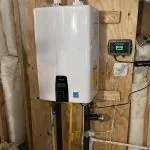
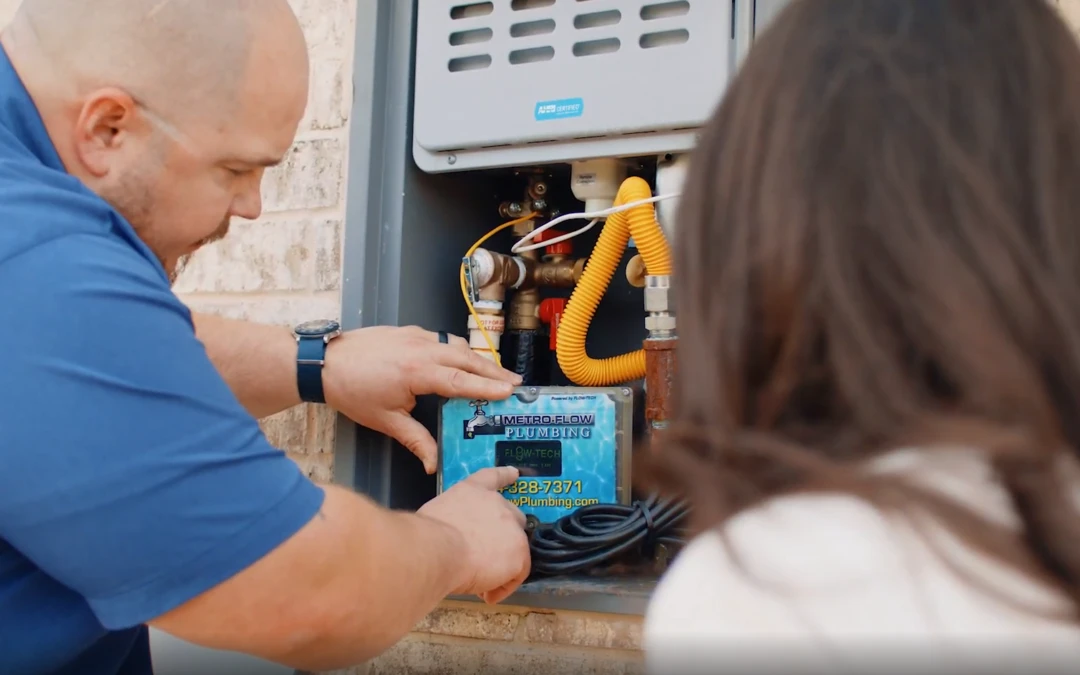
Tankless water heaters have grown in popularity as more homeowners look for energy-efficient and space-saving alternatives to traditional tank units. Rather than storing a large volume of heated water, tankless systems heat water on demand as it flows through the unit. While they offer a number of benefits, they are not without their own set of potential issues.
Flow Rate and Demand Problems
One common concern with tankless water heaters is that they can struggle to keep up with simultaneous high-demand situations, such as running a shower while also using the dishwasher and a washing machine. Professionals evaluate the unit’s flow rate capacity against the household’s actual usage patterns. In some cases, the solution may be to adjust settings or add a secondary unit to handle peak demand periods more effectively.
Mineral Scale on Heat Exchangers
Just as sediment builds up in traditional tank water heaters, mineral scale can accumulate on the heat exchanger inside a tankless unit. This is especially common in areas with hard water. When scale builds up, the unit has to work harder to heat water efficiently, which affects both performance and the long-term condition of the equipment. Professionals descale tankless units using a flushing process that circulates a descaling solution through the heat exchanger, removing mineral deposits and restoring the unit to proper working condition. Scheduling this type of maintenance on a regular basis is key to keeping a tankless system running dependably for years to come.
Water heater problems can range from minor inconveniences to issues that affect your daily routine in a meaningful way. Whether you are dealing with a lack of hot water, unusual noises, leaks, or discolored water, the underlying causes are usually well understood by experienced plumbing professionals. With the right tools and knowledge, most water heater problems can be diagnosed and resolved efficiently, helping your system perform dependably for as long as possible. Staying proactive about maintenance and not putting off small issues is one of the best ways to protect your investment and avoid larger problems down the road. A well-maintained water heater is one that you can count on every single day.
Reach out to our team today to schedule a water heater inspection or repair and experience plumbing service that is efficient, affordable, and dependable from start to finish.
Frequently Asked Questions
How often should a water heater be professionally serviced?
Most plumbing professionals recommend having your water heater inspected and serviced at least once a year. Regular service visits allow technicians to catch small issues early and perform maintenance tasks like flushing the tank or checking the anode rod before problems have a chance to develop.
What is the typical lifespan of a water heater?
The lifespan of a water heater varies depending on the type of unit, how well it is maintained, and the quality of the local water supply. Tank water heaters generally last a number of years with proper care, while tankless units tend to have a longer service life when maintained consistently.
Can a water heater be repaired instead of replaced?
In many cases, yes. Components like heating elements, thermostats, anode rods, and pressure relief valves can all be replaced without requiring a full unit replacement. A professional plumber can assess the condition of your water heater and let you know whether repair or replacement makes more sense for your specific situation.
Why does my hot water run out so quickly?
Running out of hot water quickly can be caused by sediment buildup reducing the effective capacity of the tank, a failing heating element in an electric unit, or simply a tank that is undersized for the number of people in the household. A professional inspection will help identify the exact cause and the most practical solution.
Is it safe to ignore a small leak around my water heater?
It is generally not a good idea to leave any leak unaddressed, even if it appears minor. Small leaks can worsen over time and may lead to water damage, mold growth, or more significant plumbing issues. Having a professional assess the leak promptly is always the wiser course of action.
About Metro-Flow Plumbing
Metro-Flow Plumbing is a leading provider of professional plumbing services in Dallas, Texas. With over 30 years of experience and a team of highly skilled Dallas plumbers, we offer comprehensive solutions for all your residential plumbing needs. From routine maintenance to emergency repairs, our experts are committed to delivering top-quality service with integrity and professionalism.
As trusted Dallas plumbing professionals, we specialize in a wide range of services, including leak detection, pipe repair and replacement, water heater installation, drain cleaning, cured-in-place pipe lining, and much more. Our dedication to customer satisfaction and our use of cutting-edge technology set us apart in the industry.
When you need reliable plumbing services or Dallas emergency plumbing assistance, Metro-Flow Plumbing is just a phone call away. Contact us at 214-214-4718 to schedule an appointment or for immediate help with your plumbing concerns. Trust Metro-Flow Plumbing to keep your water flowing smoothly. Visit our website at metroflowplumbing.com for more information.