Your toilet might not be the most glamorous fixture in your home, but it’s certainly one of the most essential. When something goes wrong with this hardworking appliance, many homeowners tend to adopt a “wait and see” approach, hoping the problem will resolve itself. Unfortunately, ignoring toilet issues rarely leads to positive outcomes. What starts as a minor annoyance can quickly escalate into a major headache that affects your daily routine, your water bills, and even the structural integrity of your bathroom.
Understanding which toilet problems require immediate attention can save you from costly repairs down the road and help you maintain a comfortable, functional home. Let’s explore the common toilet issues that deserve your prompt attention and why addressing them sooner rather than later makes all the difference.
The Persistent Running Toilet
One of the most common yet frequently overlooked toilet problems is the sound of water continuously running long after you’ve flushed. While it might seem like a minor inconvenience, a running toilet is essentially money flowing down the drain. The constant flow of water means your toilet is refilling repeatedly throughout the day and night, which can significantly impact your water consumption.
Beyond the financial implications, a running toilet indicates that internal components aren’t functioning as they should. The flapper valve, fill valve, or flush valve assembly might be worn out or misaligned. These components work together to control the water flow in your tank, and when they fail, your toilet loses efficiency. The longer you wait to address this issue, the more wear and tear occurs on other parts of the system.
Many homeowners grow accustomed to the background noise of a running toilet, but this normalcy shouldn’t translate into acceptance. The issue won’t improve on its own, and delaying action only extends the period of wasted water and increased utility costs.
Weak or Incomplete Flushing
A toilet that doesn’t flush properly is more than just frustrating. It’s a clear signal that something within the system needs attention. When your toilet requires multiple flushes to clear the bowl or leaves residue behind, several underlying issues could be at play.
Sometimes, the problem stems from low water levels in the tank, which means insufficient water is available for an effective flush. Other times, the jets around the rim of the bowl may have mineral buildup restricting water flow. In some cases, there might be a partial blockage in the trap or drain line that’s impeding proper drainage.
Ignoring weak flushing can lead to more frequent clogs and backups. You might find yourself using more water overall as you flush multiple times, which defeats the purpose of water conservation. Additionally, incomplete flushing creates unsanitary conditions and can lead to staining and odors that become increasingly difficult to manage over time.
Unexplained Wobbling or Rocking
A toilet should sit firmly and securely on your bathroom floor. If you notice movement when you sit down or if the toilet rocks from side to side, this isn’t something to dismiss as a quirky characteristic of an aging fixture. A wobbly toilet typically indicates that the bolts securing it to the floor have loosened or that the wax ring seal has deteriorated.
The wax ring creates a watertight seal between the toilet base and the drain opening in your floor. When this seal fails, water can leak out with every flush, potentially seeping into your subfloor and causing damage you can’t see. Over time, this hidden moisture can lead to wood rot, mold growth, and structural damage that extends far beyond the immediate area around your toilet.
What might seem like a simple tightening job can actually reveal more significant problems that need professional assessment. The longer a toilet remains unstable, the more likely it is that water damage is occurring beneath the surface.
Mysterious Water Pooling
Discovering water around the base of your toilet should always prompt immediate investigation. While condensation can sometimes create small amounts of moisture on the outside of the tank during humid weather, actual pooling water usually indicates a leak that needs attention.
Leaks can originate from several locations, including the tank bolts, the supply line connection, or, most concerning, the base seal. Each source requires a different approach to repair, and identifying the exact location of the leak is crucial. Water that appears to be coming from the base might actually be traveling down from a higher connection point, or it could genuinely be escaping from beneath the toilet.
Beyond the obvious concern of water damage to your flooring and substructure, standing water creates ideal conditions for mold and mildew growth. These organisms can affect indoor air quality and create health concerns for your household. The bathroom environment already tends toward humidity, and adding a persistent water leak only exacerbates moisture-related problems.
Strange Noises Beyond Normal Operation
Toilets make predictable sounds during normal operation, but unusual noises often signal underlying issues. A hissing sound typically indicates water escaping somewhere it shouldn’t, often through a faulty fill valve or a compromised flapper. Gurgling sounds during or after flushing can suggest ventilation problems in your plumbing system or issues with drain cleaning that may affect multiple fixtures in your home.
Banging or hammering noises, sometimes called water hammer, occur when water flow stops suddenly and creates a shock wave through your pipes. While this problem might originate with your toilet, it can affect your entire plumbing system and potentially cause damage to pipes and connections throughout your house.
These auditory warnings shouldn’t be ignored simply because the toilet continues to function. Sound often provides the first indication of developing problems, allowing you to address issues before they become visible or cause significant damage.
Frequent Clogs and Slow Drainage
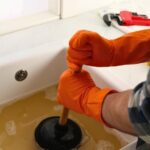
Every toilet experiences an occasional clog, but if you find yourself reaching for the plunger regularly, something more significant is happening. Frequent clogs might indicate a problem with the toilet itself, such as insufficient flushing power or a partially blocked trap. However, they can also point to issues further down your drainage system.
Older homes sometimes have drainage configurations that don’t meet modern flow requirements, or tree roots may have infiltrated sewer lines over time. Whatever the cause, repeated clogs are your plumbing system’s way of telling you that normal waste removal isn’t happening as it should. Continuing to treat the symptom without addressing the underlying cause means you’ll face this frustration again and again.
When clogs become routine, it’s worth considering whether your entire drainage system needs evaluation. Issues with clogged drain repair in one area can sometimes indicate broader concerns that affect multiple fixtures, and addressing the root cause often proves more effective than repeatedly treating individual symptoms.
Cracks and Damage to Porcelain
The porcelain body of your toilet might seem indestructible, but it can develop cracks over time due to age, impact, or even rapid temperature changes. While tiny hairline cracks might not seem urgent, they can expand and eventually lead to catastrophic failure of the fixture.
Small cracks can also allow water to seep through, even if you don’t notice obvious leaking. This hidden moisture can cause the same subfloor and structural damage as more visible leaks. Additionally, cracks compromise the structural integrity of the porcelain, meaning the toilet becomes more vulnerable to breaking under normal use.
What starts as barely noticeable damage can suddenly worsen without warning. The last thing you want is for a toilet to fail during use, creating an emergency situation that requires immediate professional intervention and potentially extensive cleanup and repair.
Issues That Affect Water Quality
While we often focus on the mechanical function of toilets, some problems can impact your home’s overall water system. If you notice discoloration, unusual odors, or concerns about the water in your toilet bowl, these issues might extend beyond just the toilet itself. Your home’s water filtration system and overall plumbing health play important roles in maintaining water quality throughout your house.
Strange discoloration in the toilet tank or bowl can indicate corrosion in your plumbing system or issues with your water supply. While the toilet might function mechanically, these water quality concerns deserve attention because they affect your entire household and might signal problems that need professional evaluation.
The Importance of Timely Intervention
Addressing toilet problems promptly offers several advantages beyond simply resolving the immediate inconvenience. Early intervention typically means simpler, less expensive repairs. A deteriorating component that gets replaced today might cost a fraction of what you’d spend if you wait until it fails completely and causes secondary damage.
Professional assessment of toilet problems also provides peace of mind. What might appear to be a minor issue to an untrained eye could actually indicate something more serious, or conversely, what seems alarming might have a simple solution. Having someone experienced evaluate your toilet’s condition helps you understand exactly what you’re dealing with and what steps make sense for your situation.
Regular maintenance and prompt attention to problems also extend the lifespan of your toilet and protect the surrounding infrastructure. Your bathroom is one of the most important functional spaces in your home, and keeping all its components in good working order contributes to your overall quality of life and property value.
Your toilet works hard every single day, and like any frequently used appliance, it needs attention when problems arise. The issues we’ve discussed, from running water to wobbling bases to frequent clogs, all share one important characteristic: they won’t resolve themselves with time. In fact, almost every toilet problem gets progressively worse when ignored, leading to more extensive damage, higher repair costs, and greater inconvenience.
Paying attention to the warning signs your toilet provides and taking action when problems first appear represents smart homeownership. You protect your investment in your property, maintain a sanitary and comfortable bathroom environment, and avoid the stress and expense of emergency repairs that could have been prevented.
If you’re experiencing any of these toilet issues or have concerns about your bathroom plumbing, don’t wait until a small problem becomes a big one. Reach out to our team today for a professional assessment and dependable solutions that will keep your bathroom functioning smoothly for years to come.
Frequently Asked Questions
How can I tell if my toilet leak is actually an emergency?
While most toilet leaks develop gradually, any situation where water is actively flowing onto your bathroom floor should be addressed immediately. If you can turn off the water supply valve behind the toilet and the leak stops, you’ve bought yourself some time to arrange for repair. However, if you cannot stop the water flow or if you notice water spreading rapidly, this constitutes an emergency that needs immediate professional attention.
Is it worth repairing an old toilet, or should I replace it?
The decision between repair and replacement depends on several factors, including the age of the fixture, the nature of the problem, and how frequently you’ve needed repairs. Toilets can last for many years with proper maintenance, so a single repair on an otherwise functional toilet often makes sense. However, if you’re facing multiple simultaneous problems or if your toilet has required frequent repairs over recent months, replacement might be the more economical long-term choice.
Can hard water affect my toilet’s performance?
Hard water containing high mineral content can definitely impact toilet function over time. Minerals can accumulate in the tank components, around the rim jets, and in the siphon jet, all of which can affect flushing performance. These deposits build up gradually, which is why toilet performance may decline slowly rather than fail suddenly. Regular cleaning and maintenance help manage mineral buildup in areas where hard water is common.
Why does my toilet seem to flush itself occasionally when nobody’s using it?
This phenomenon, often called a phantom flush, usually indicates that water is slowly leaking from the tank into the bowl. When the water level in the tank drops below a certain point, the fill valve activates to refill it, creating the sound of a flush. The most common culprit is a worn or improperly seated flapper that isn’t creating a complete seal. While it might seem harmless, this issue wastes considerable water over time.
Should I be concerned about older toilets using more water?
Older toilet models do typically use significantly more water per flush compared to modern fixtures, which can impact your water bills over time. While this isn’t an urgent repair issue, it’s worth considering whether upgrading to a more efficient model might make sense for both environmental and economic reasons. The decision often depends on your current toilet’s condition, your water costs, and your household’s overall water usage patterns.