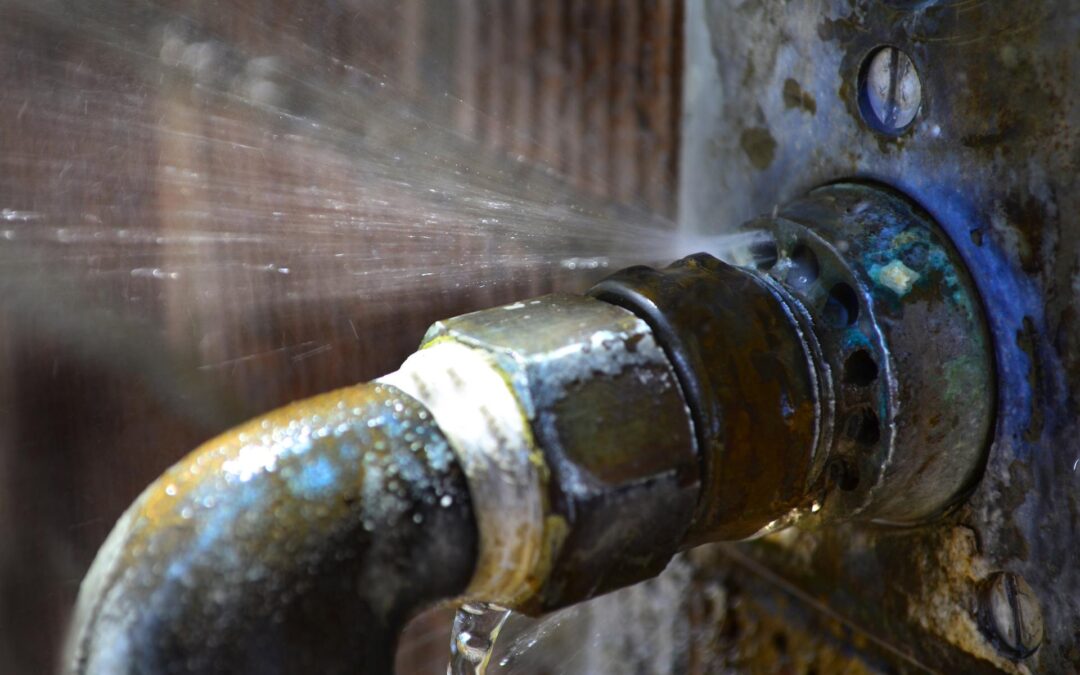
Every homeowner dreads the moment when a pipe bursts, a water heater fails, or a plumbing fixture starts flooding the house. In these critical situations, knowing exactly where your main water shut-off valve is located—and how to operate it—can mean the difference between minor water damage and a catastrophic flood that costs thousands of dollars to repair.
One of the most important things any homeowner can do is familiarize themselves with their main water shut-off valve before an emergency strikes. When water is gushing from a broken pipe at hundreds of gallons per hour, there’s no time to search frantically through your basement or crawl space. This guide will walk you through everything you need to know about locating, identifying, and operating your main water shut-off valve, along with information about when to call for professional help.
Why Knowing Your Shut-Off Valve Location Matters
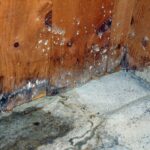
Water damage is one of the most expensive types of home damage to repair. A single burst pipe can release 400-500 gallons of water per hour, and if left unchecked for even a few hours, can cause structural damage, ruin flooring and drywall, destroy personal belongings, and create conditions for dangerous mold growth.
The main water shut-off valve controls all water flow into your home. When you turn it off, you stop water from entering your plumbing system entirely, which immediately halts any flooding from internal plumbing failures. Knowing where this valve is located before an emergency strikes can save you thousands of dollars in water damage repairs.
Where to Find Your Main Water Shut-Off Valve
The location of your main water shut-off valve depends on several factors, including your climate, when your home was built, and whether you’re connected to municipal water or have a private well. Here are the most common locations:
Inside Your Home
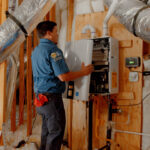
In colder climates where pipes could freeze, the main shut-off valve is typically located inside the home. The most common location is in the basement or crawl space, usually along the front wall of your basement on the side facing the street, at about eye level or lower. The valve is typically located where the main water line enters through the foundation, and you’ll see a pipe coming through the wall with a valve attached.
In homes without basements, check your utility room, laundry room, or garage. The valve is often near the water heater or along an exterior wall. In some older homes or apartments, the main shut-off might be in a cabinet under the kitchen sink or in a bathroom, though this is less common for the main valve.
Outside Your Home
In warmer climates where freezing isn’t a concern, the main shut-off valve may be located outside. One common location is near the water meter. Look for a concrete or plastic box in your yard, typically within a few feet of your property line near the street. This box houses your water meter and often contains a shut-off valve. Some homes have the valve mounted on an outside wall in a protective box, usually on the side of the house facing the street.
Many homes have both an interior shut-off valve near where the line enters the house and an exterior one near the meter. Homeowners should know where both are located because the exterior valve might be harder to access in an emergency, especially at night or in bad weather.
Identifying Your Water Shut-Off Valve
Once you’ve located the general area, you need to identify the actual valve. Main shut-off valves typically come in two types.
The gate valve has a round handle that you turn clockwise (righty-tighty) multiple rotations to close. Gate valves are common in older homes but are being phased out because they’re prone to leaking and can be difficult to turn after years of non-use.
The ball valve has a lever handle that you turn 90 degrees to shut off. When the lever is parallel to the pipe, water flows; when it’s perpendicular, the water is off. Ball valves are more reliable and are the standard in newer construction. If you have an old gate valve, upgrading to a ball valve is recommended because ball valves are easier to operate, more reliable, and when you’re dealing with an emergency, you want something that will work immediately without fighting with a corroded handle.
How to Operate Your Shut-Off Valve
Before an emergency happens, you should test your shut-off valve to make sure it works properly. Start by alerting your household so they don’t try to use water during the test. Turn off water-using appliances like your washing machine, dishwasher, and water heater to prevent damage from running dry.
To close the valve, turn it clockwise until it stops if you have a gate valve. For a ball valve, turn the lever 90 degrees until it’s perpendicular to the pipe. Test a faucet by turning on a sink to verify that no water flows. You might see a small amount of water that was already in the pipes, but it should stop quickly. When you’re done testing, restore water by turning the valve back to the open position by reversing the process.
Testing your valve at least once a year ensures it’s operational. Valves that sit unused for years can seize up, which creates a nightmare scenario where you try to shut off water during an emergency only to find the valve won’t budge.
When the Valve Won’t Turn: Calling a Plumber
If you test your valve and find that it’s stuck, corroded, or won’t fully close, don’t force it. Excessive force can break the valve or the pipe, creating an even bigger problem. This is when you need to call a professional plumber.
A licensed plumber can assess whether the valve can be freed up or needs replacement, replace a faulty shut-off valve with a modern ball valve, install an additional shut-off valve for easier access, check for corrosion or damage in your main water line, and ensure the replacement valve meets local building codes.
Replacing a main shut-off valve is a job for a professional because it requires shutting off water at the meter, cutting into the main line, and properly installing and sealing a new valve. One mistake can lead to a major leak, so this isn’t a DIY project for most homeowners.
Emergency Flooding: When to Call a Plumber Immediately
Knowing where your shut-off valve is located is crucial, but there are situations where you need professional help beyond just turning off the water. You should call a plumber immediately if you can’t locate or access your shut-off valve while experiencing flooding. A plumber can shut off water at the meter and help you locate the valve for future reference.
If the valve won’t close or is leaking, a broken shut-off valve needs immediate professional repair while your home is flooding. When you have a major pipe burst, after shutting off the main valve, you’ll need a plumber to locate and repair the burst pipe before water can be safely restored.
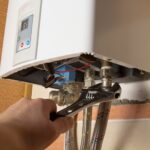
Water heater failures can release dozens of gallons quickly and require immediate attention. If your water heater is flooding, shut off the main valve, turn off power or gas to the heater, and call a plumber for replacement or repair. When water is backing up through drains, this indicates a serious blockage that requires professional drain cleaning or sewer line repair. If you experience repeated flooding issues or chronic plumbing problems, you need a professional diagnosis to identify the root cause, whether it’s aging pipes, high water pressure, or another underlying issue like drain cleaning.
Many plumbing companies offer 24/7 emergency services specifically for these situations, and can typically get someone on-site within an hour to assess the damage, make temporary repairs, and prevent further flooding.
What a Plumber Does During a Flooding Emergency
When you call a plumber for a flooding emergency, here’s what you can expect:
First, they’ll help you shut off the water if you haven’t already done so. They can access the curb stop valve at the street if your indoor valve isn’t working.
Next, they’ll assess the source of the flooding. Using specialized tools and expertise, they can quickly identify whether it’s a burst pipe, failed fixture, water heater issue, or other problem like a clogged drain.
The plumber will then make necessary repairs or temporary patches to stop the flooding and prevent further damage. This might involve replacing a section of pipe, repairing a fixture, or installing a new shut-off valve.
Finally, they’ll advise you on the next steps, which might include calling your insurance company, starting water damage remediation, or scheduling follow-up repairs for underlying issues.
Prevention and Maintenance: Working with Your Plumber
Beyond emergency situations, preventive maintenance is recommended to reduce flooding risks. Schedule annual plumbing inspections to catch problems before they become emergencies. Even something as simple as clogged drain repair can help prevent plumbing issues. Have aging pipes assessed and replaced proactively, and consider installing water leak detection systems that alert you to problems. Ensure your shut-off valve is in good working order, and consider installing individual shut-off valves for major fixtures like toilets and sinks.
Investing in preventive maintenance and knowing where your shut-off valve is located can save you thousands in water damage and give you peace of mind. The best flood is the one that never happens.
Conclusion
Your main water shut-off valve is the most important plumbing feature in your home that you hope to never need in an emergency. Take the time today to locate your valve, test it to ensure it works, and familiarize everyone in your household with its location and operation. Label it clearly if needed, and keep the path to it accessible.
If you discover your valve is stuck, broken, or difficult to access, don’t wait for an emergency—call a licensed plumber to address the issue now. And remember, when flooding does occur, professional plumbers offer emergency services to minimize damage and restore your home’s plumbing system quickly and safely. The few minutes you invest in learning about your shut-off valve today could save you from thousands of dollars in water damage tomorrow. Preparation is always less expensive than emergency repairs.
If you have a plumbing emergency and need a professional, contact our plumbers at Metro Flow Plumbing.
Frequently Asked Questions
How often should I test my main water shut-off valve?
You should test your main water shut-off valve at least once per year to ensure it remains operational. Valves that sit unused for extended periods can become corroded or seized, making them difficult or impossible to turn during an actual emergency. During your annual test, turn the valve completely off and then back on while checking a faucet to verify it’s working properly. If you notice any resistance, leaking, or difficulty turning the valve, contact a plumber to have it inspected or replaced before you face an emergency situation.
What should I do if I can’t turn my shut-off valve during a flooding emergency?
If your main shut-off valve won’t turn during a flooding emergency, don’t force it as you could break the valve or pipe and make the situation worse. Instead, immediately call an emergency plumber who can shut off your water at the meter or curb stop located outside your property. Many plumbing companies offer 24/7 emergency services and can typically arrive within an hour. In the meantime, move valuables away from the flooding area, turn off electricity to affected areas if it’s safe to do so, and try to contain the water with towels or buckets if possible.
Is there a difference between the shut-off valve inside my home and the one near the meter outside?
Yes, while both valves can stop water flow to your home, they serve slightly different purposes. The interior shut-off valve is typically easier to access quickly during an emergency and is the one homeowners should use for routine maintenance or emergency situations inside the home. The exterior valve near the meter is often controlled by the water utility company and may require a special tool to operate. Some municipalities have regulations about homeowners using the meter valve. In most cases, you should rely on your interior valve for emergencies, but it’s still important to know where both are located in case your interior valve fails or becomes inaccessible.